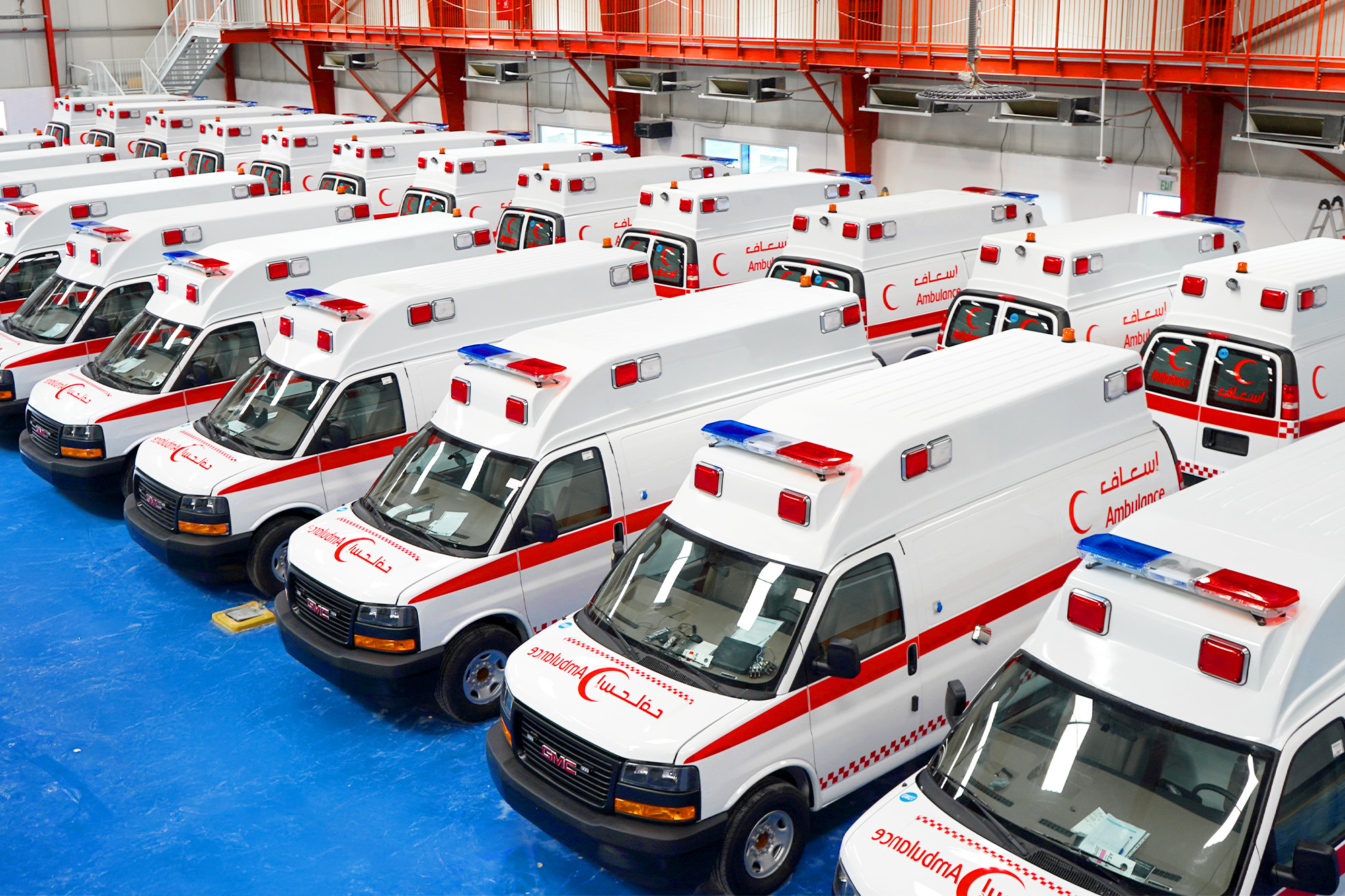
When a medical emergency strikes, timely access to specialized care can make a critical difference. Air ambulance services transport seriously ill or injured patients while providing medical care during the journey.
Whether you’re a healthcare professional, emergency coordinator, or family member, understanding emergency medical transport can help you make informed decisions.
In this guide, we’ll explore how air ambulances work, their essential features, and when they can benefit patients.
Why Are Air Ambulance Services So Important?
An air ambulance is more than an aircraft—it connects patients with appropriate medical care when distance or difficult terrain creates barriers.
1. Faster Access to Specialized Treatment
Helicopters and fixed-wing aircraft can reduce travel time over long distances or inaccessible routes. For selected patients with major trauma, stroke, or other time-sensitive conditions, faster access to specialist care may improve outcomes.
2. Access to Remote Locations
A helicopter ambulance can reach some areas that ground vehicles cannot easily access, supporting emergency response in rural communities and challenging terrain.
3. Critical Care During Transport
Depending on the service and patient’s needs, trained teams can provide monitoring, ventilation, medication, and other advanced interventions throughout the flight.
4. Coordinated Hospital Transfers
Critical care air transport helps move patients between hospitals when treatment or equipment is unavailable locally.
Features That Make Air Ambulances Stand Out
- Specialized Medical Equipment
Aircraft may carry ventilators, cardiac monitors, infusion pumps, oxygen, and equipment tailored to the patient’s condition.
- Experienced Medical Teams
Flight nurses, paramedics, and, when needed, physicians provide care appropriate to the mission and clinical requirements.
- Reliable Communication
Coordination between dispatchers, flight crews, ground ambulances, and receiving hospitals supports smoother transfers and treatment preparation.
How Do Air Ambulance Services Benefit You?
1. For Patients and Families
- Access to specialist care: Transport to facilities equipped for complex conditions.
- Continuous medical support: Monitoring and treatment during transfer.
2. For Healthcare Professionals
- Expanded referral options: Connections to trauma centers and specialist hospitals.
- Transfer support: Organized transport for patients requiring advanced care.
3. Real-World Emergency Scenarios
These illustrative examples show potential uses:
- Remote trauma response
A helicopter transports a severely injured patient from an isolated location to a trauma center.
- Long-distance hospital transfer
A fixed-wing medical evacuation flight moves a critically ill patient to a specialist facility.
Choosing an Air Ambulance Provider
Check clinical capabilities, aviation credentials, coordination arrangements, and transparent pricing. Weather, landing access, availability, and total transfer time all affect suitability; ground transport may sometimes be safer or faster.
Conclusion
Air ambulance services can save lives by combining rapid transport with skilled medical care. In an emergency, call your local emergency number immediately. Responders can assess whether air or ground transport is most appropriate.