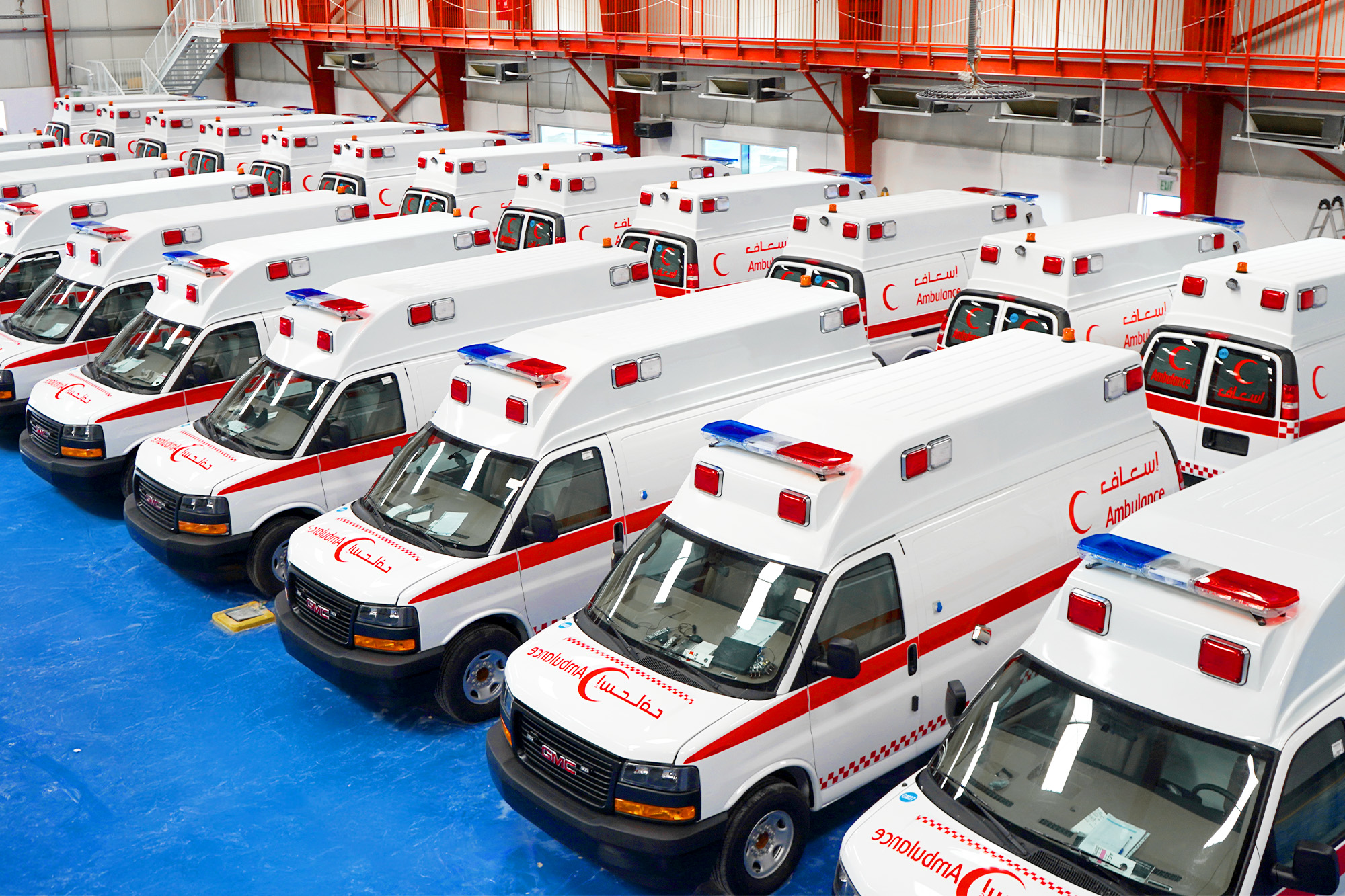
Picture a patient in critical condition, miles from the nearest hospital, with only a vehicle standing between them and survival. That vehicle isn’t just transportation. It’s a rolling operating room, and every bolt, wire, and suspension system inside it can mean the difference between life and death. A skilled mobile healthcare unit manufacturer understands that engineering isn’t an afterthought here; it’s the entire foundation. Want to know what actually goes into building these life-saving machines? Keep reading, because the engineering behind them is far more fascinating than most people realize.
What Exactly Counts as Vehicle Engineering in Healthcare Units?
Vehicle engineering in this context means designing a chassis, suspension, and interior system capable of supporting sensitive medical equipment while moving through unpredictable roads. It’s the invisible framework that keeps everything from IV drips to ventilators functioning smoothly, even during a bumpy emergency ride.
Structural Integrity Keeps Equipment and Patients Safe
A mobile healthcare unit needs a frame strong enough to absorb shocks without disturbing delicate machinery. Engineers reinforce flooring, walls, and mounting points so that stretchers, oxygen tanks, and monitors stay firmly secured no matter how rough the terrain gets.
Suspension Systems Protect More Than Just the Ride
Standard vehicle suspension isn’t built for patients who can’t afford sudden jolts. Specialized suspension engineering smooths out bumps and vibrations, protecting fragile patients from unnecessary pain while keeping onboard equipment calibrated and functioning as intended throughout transport.
How Does Space Planning Influence Medical Efficiency?
Cramped, poorly designed interiors slow down emergency response and frustrate medical teams trying to work under pressure. Thoughtful space planning transforms a vehicle interior into a functional workspace where every second counts.
Interior Layout Determines How Fast a Team Can React
Every cabinet, shelf, and equipment mount gets placed based on real emergency workflows. Engineers study how paramedics move and reach for supplies, then design layouts that minimize wasted motion, letting medical teams work faster when timing truly matters most.
Power Systems Keep Critical Devices Running Nonstop
Medical equipment demands a constant, reliable power source, and engineering teams build dual battery systems and backup generators into these vehicles. This ensures ventilators, defibrillators, and monitors never lose power mid-transport, regardless of engine status or trip duration.
Why Does Climate Control Matter More Than People Think?
Temperature swings can damage medications, discomfort patients, and even affect equipment accuracy. Climate control engineering isn’t a luxury add-on here; it’s a medical necessity built directly into the vehicle’s core design.
Insulated Cabins Protect Sensitive Medications and Patients Alike
Engineers install specialized insulation and independent climate zones so the patient compartment stays stable regardless of outside weather. This protects temperature-sensitive drugs and keeps patients comfortable during long transport windows across varying climates and terrains.
How Do Conversion Processes Bring These Vehicles to Life?
Turning a standard vehicle into a functioning medical unit takes far more than adding a stretcher and some shelves. It’s a detailed transformation process rooted in precision engineering and medical-grade standards.
Ambulance Conversion Requires Precise Technical Coordination
The ambulance conversion process involves stripping a base vehicle down and rebuilding it with medical-grade flooring, electrical systems, and secured equipment bays. Engineers coordinate every measurement carefully, ensuring the final unit meets strict safety and functionality standards.
Air Medical Transport Demands Its Own Engineering Standards
Beyond road vehicles, air medical transport units face unique engineering challenges like weight distribution, altitude pressure changes, and space constraints. Engineers must balance lightweight materials with structural strength, since every kilogram affects fuel efficiency and flight performance.
Wrapping It Up
Engineering isn’t a background detail in mobile healthcare unit manufacturing; it’s the backbone holding the entire operation together. From suspension systems to climate control, every decision a mobile healthcare unit manufacturer makes directly impacts patient outcomes. The next time you see one of these vehicles racing down a highway, remember there’s an entire world of precision engineering working quietly to keep that patient alive.
Frequently Asked Questions
What materials are commonly used in mobile healthcare unit construction?
Manufacturers typically use lightweight aluminum, reinforced steel, and medical-grade composites that balance durability with weight efficiency, ensuring structural strength without compromising fuel economy or vehicle handling.
How long does a typical ambulance conversion process take?
Depending on complexity and customization requirements, conversions generally take several weeks to a few months, involving detailed planning, structural modifications, electrical wiring, and thorough safety testing before deployment.
Can mobile healthcare units be customized for specific medical specialties?
Yes, manufacturers frequently build specialized configurations for cardiac care, neonatal transport, or trauma response, adjusting equipment mounts, spacing, and power systems based on each specialty’s unique operational needs.
What safety certifications should a mobile healthcare unit meet?
Units typically require compliance with regional automotive safety standards alongside medical vehicle certifications, ensuring structural integrity, electrical safety, and equipment reliability meet strict healthcare transportation regulations.
How does vehicle engineering affect long-term maintenance costs?
Well-engineered units with quality components generally require less frequent repairs, reducing downtime and long-term maintenance expenses while ensuring consistent reliability during critical emergency response situations.