One small bolt failure on a battlefield can mean the difference between a mission completed and a life lost, and that single reality shapes everything about how defense vehicles get built. A military vehicle manufacturer doesn’t just assemble metal and engines together; it engineers survival itself, testing every weld and wire against conditions most vehicles will never face. This guide breaks down exactly how these manufacturers earn military approval, what standards they chase, and why the process is far stricter than anything found in commercial vehicle production. Keep reading, because the layers of testing involved might surprise you more than you’d expect.
What Does It Actually Mean to Build for the Military?
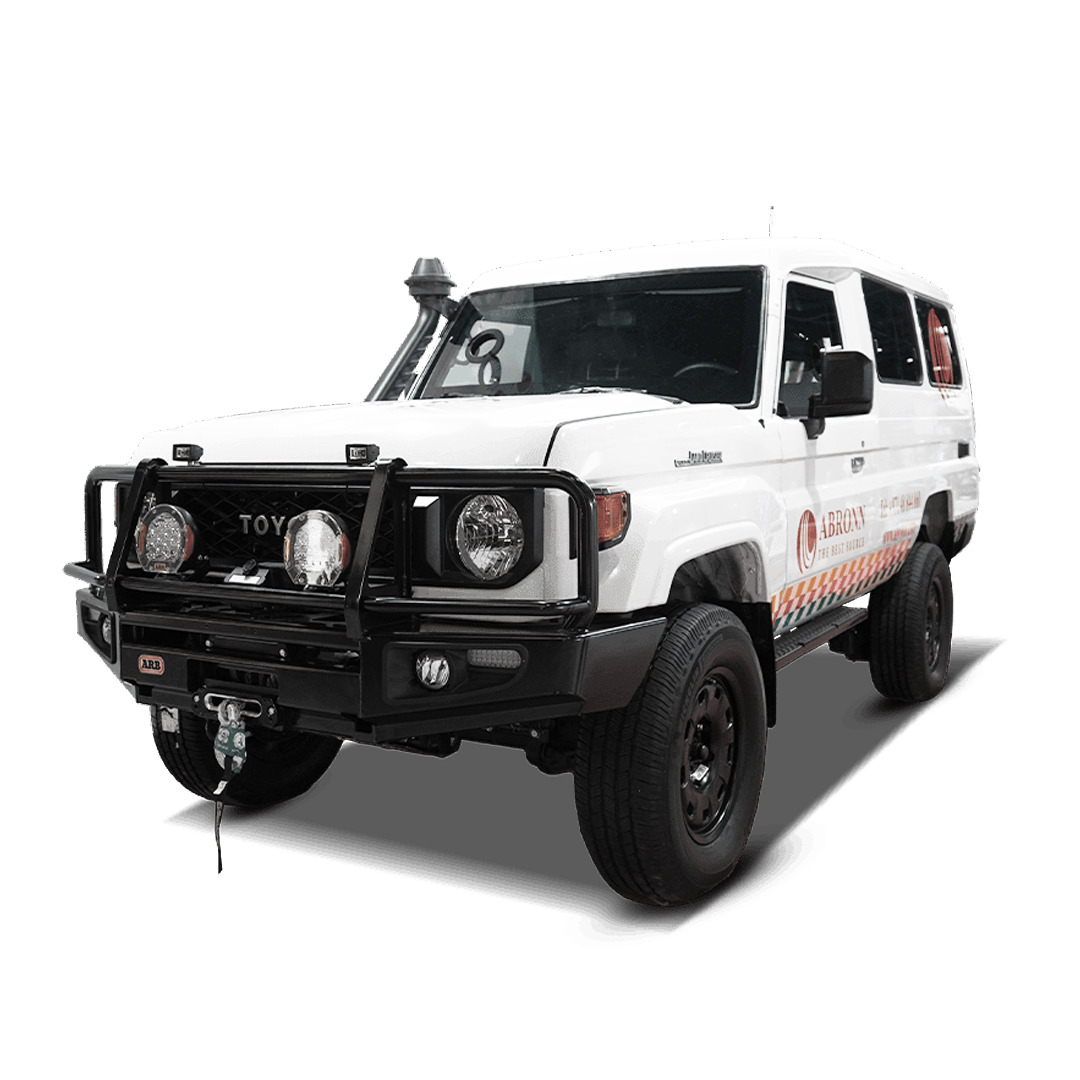
Building a military vehicle means designing equipment that performs reliably under extreme stress, from desert heat to combat impact, while protecting the people inside it. Unlike regular vehicles, every component undergoes rigorous validation before it earns the right to carry soldiers or sensitive cargo into unpredictable terrain.
The Backbone of Compliance: Understanding Military Standards
Decoding MIL-STD Requirements
Military Standards, often shortened to MIL-STD, are formal specifications covering everything from electromagnetic interference to shock resistance. A military vehicle manufacturer must align design choices with these documented benchmarks, proving through testing that the vehicle won’t fail when conditions turn hostile or unpredictable.
Why NATO Standardization Agreements Matter
NATO countries follow Standardization Agreements, known as STANAGs, which ensure equipment compatibility across allied forces. Manufacturers building for international defense contracts must meet these shared benchmarks, allowing vehicles to integrate smoothly into joint operations without compatibility issues slowing down critical missions.
Ballistic and Blast Protection Benchmarks
Protection levels are measured against recognized ballistic standards that define how much force armor plating must withstand. Manufacturers test vehicle hulls against simulated gunfire and explosive blasts, confirming that occupants remain shielded even when the vehicle absorbs direct hits.
Inside the Manufacturing Process: From Blueprint to Battlefield
Material Selection Built on Survival Logic
Engineers choose materials like high-grade steel alloys and composite armor based on weight-to-protection ratios. Heavier isn’t always better, since mobility matters just as much as defense, so manufacturers balance toughness with the vehicle’s ability to move quickly across rough terrain.
Rigorous Environmental Stress Testing
Before approval, vehicles face extreme climate simulations, from freezing arctic conditions to scorching desert heat. This testing confirms engines, electronics, and seals function properly regardless of where troops deploy, eliminating the risk of mechanical failure during critical operations far from repair facilities.
Electromagnetic and Communication System Checks
Military vehicles often house sensitive communication equipment that must function without interference. Manufacturers test electromagnetic compatibility extensively, ensuring radios, GPS systems, and onboard electronics operate smoothly even in environments crowded with competing signals or jamming attempts.
When Defense Manufacturing Crosses Into Specialized Territory
The Overlap With Emergency and Medical Transport
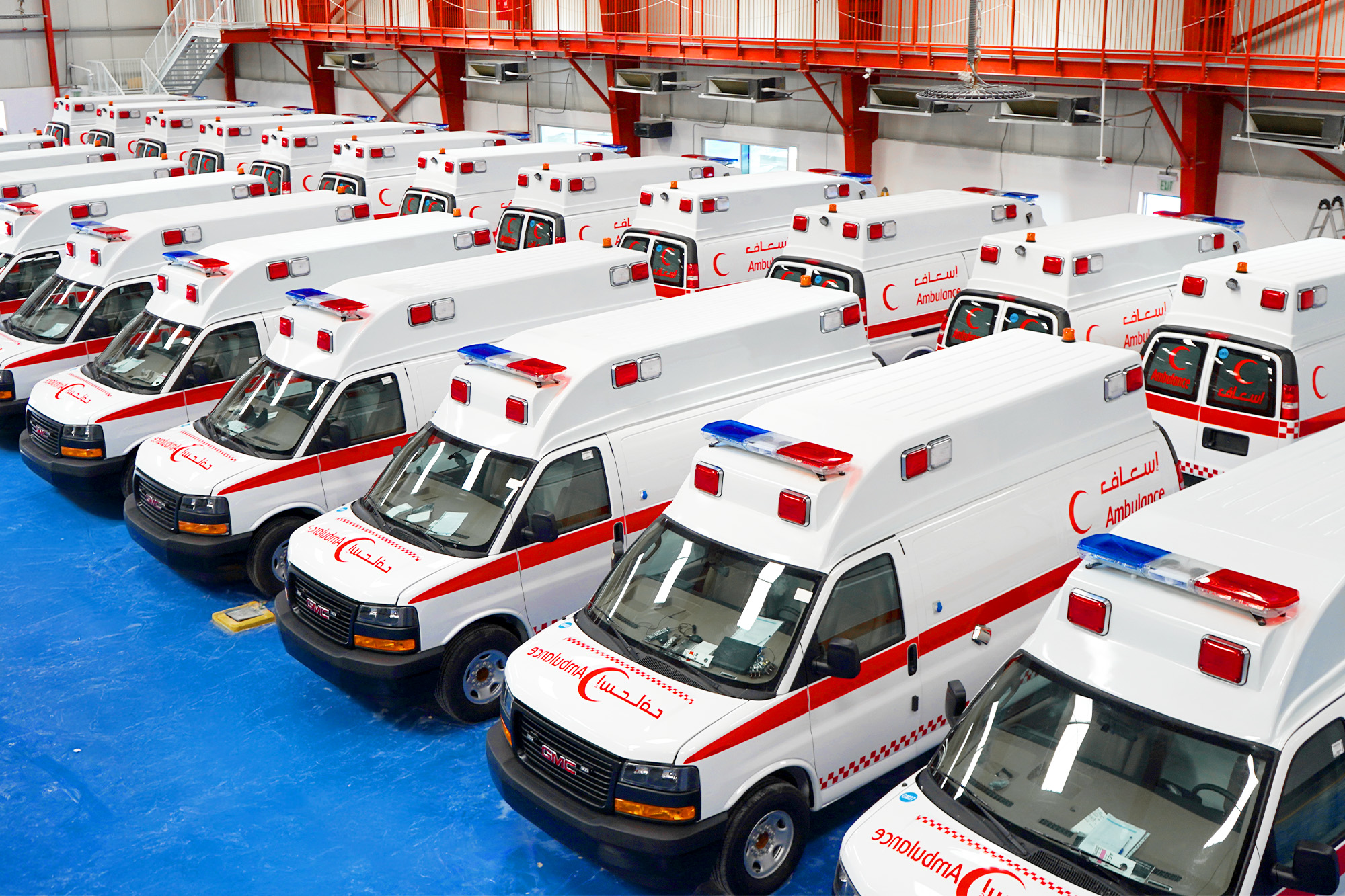
Some manufacturers extend their armored vehicle expertise into specialized medical transport, building rugged units capable of operating in unstable regions. An air ambulance in Dubai, for instance, often draws on similar engineering principles, prioritizing speed, reliability, and patient safety during high-stress evacuations.
Cross-Industry Standards in Rugged Vehicle Design
Manufacturers producing tough, mission-ready vehicles sometimes diversify into adjacent sectors requiring similar durability standards. An ambulance manufacturer in UAE working alongside defense contractors often applies comparable stress-testing protocols, since both industries demand vehicles that perform flawlessly when failure simply isn’t an option.
Certification Bodies That Hold the Final Word
Government Defense Procurement Agencies
Before any vehicle reaches active service, government procurement agencies review documentation, conduct field trials, and verify compliance with national defense requirements. This layered approval process ensures only thoroughly vetted vehicles make it into military fleets and operational units.
Independent Third-Party Testing Labs
Beyond government checks, independent labs conduct unbiased testing to confirm manufacturer claims hold up under scrutiny. This extra verification step adds accountability, giving defense agencies confidence that performance results weren’t simply self-reported by the manufacturing company itself.
Quality Control That Never Takes a Day Off
Manufacturing facilities maintain continuous quality checks throughout production, not just at the final inspection stage. Random audits, batch testing, and traceability systems for every component ensure consistency across units, since even one defective vehicle could jeopardize lives during deployment.
Final Thoughts on Defense-Grade Engineering
Meeting military standards demands more than ambition; it requires relentless testing, certified materials, and zero tolerance for shortcuts. Every reputable military vehicle manufacturer treats compliance as a non-negotiable foundation rather than a checkbox, because the vehicles they build ultimately carry human lives into the world’s most demanding environments.
Frequently Asked Questions
How long does it typically take for a military vehicle to get fully certified?
Certification timelines vary widely depending on vehicle complexity, often spanning months to years, since extensive field trials, environmental testing, and procurement reviews must all be completed beforehand.
Can civilian companies transition into military vehicle manufacturing?
Yes, civilian manufacturers can transition by meeting strict defense certification requirements, investing in specialized testing facilities, and demonstrating consistent quality control before securing approval from relevant government procurement agencies.
Do military vehicle standards differ significantly between countries?
Yes, standards vary based on regional defense priorities and threat assessments, though many allied nations align requirements through agreements like NATO STANAGs to maintain compatibility across joint military operations.
What role does software play in modern military vehicle compliance?
Software now controls navigation, targeting, and communication systems, requiring manufacturers to meet cybersecurity standards alongside physical durability tests, ensuring vehicles remain protected against both mechanical and digital vulnerabilities.
Are military vehicle standards updated frequently?
Standards evolve regularly as warfare tactics and technology advance, prompting manufacturers to continuously upgrade designs, materials, and testing protocols to stay aligned with the latest defense requirements and threats.