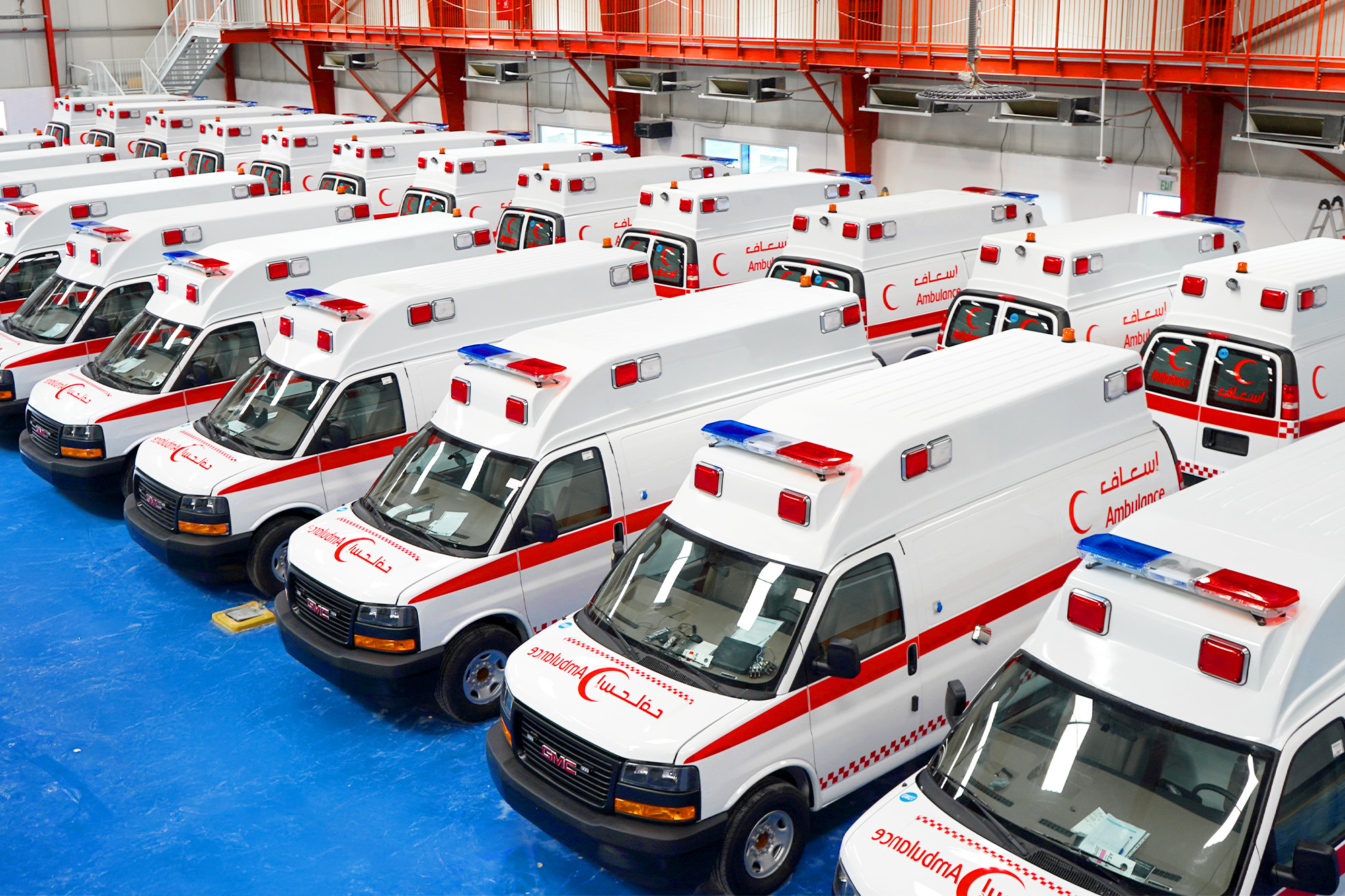
When it comes to emergency medical transport, every detail matters. Custom ambulances are designed around the needs of patients, paramedics, and healthcare organizations. From secure equipment storage to accessible treatment areas, thoughtful ambulance customization can support safer care during transport.
This guide explains how custom ambulance designs enhance patient safety, support medical teams, and ensure efficient emergency transportation.
Why Are Custom Ambulances Important for Patient Safety?
- Layouts Designed for Emergency Care
A well-planned patient compartment places essential supplies within reach. Accessible layouts help paramedics deliver care while reducing unnecessary movement inside a moving vehicle.
- Secure Stretchers and Equipment
Properly tested stretcher mounts, occupant restraints, and equipment brackets help limit movement during sudden braking or collisions. Secure storage also reduces the risk of loose supplies becoming hazards.
- Equipment Matched to Patient Needs
Depending on staffing and service requirements, advanced life support ambulances can accommodate cardiac monitors, ventilators, suction devices, and oxygen systems. Appropriate mounting and reliable power support their safe use.
Features That Make Custom Ambulances Stand Out
- Safer Patient Loading
Compatible powered stretchers, loading systems, and accessible entry points can reduce manual lifting and support safer patient transfers.
- Infection-Control-Friendly Interiors
Smooth, durable surfaces and accessible storage make cleaning easier. Suitable ventilation and established disinfection procedures support infection prevention between journeys.
- Reliable Electrical Systems
Properly engineered electrical systems help power medical devices, lighting, and communications. Maintenance and pre-trip checks remain essential.
- Communication and Navigation
GPS navigation and integrated communications support coordination with dispatchers and receiving hospitals. Sharing patient information before arrival can help hospital teams prepare.
How Does Ambulance Customization Benefit Your Team?
- For Healthcare Professionals
Ergonomic seating, reachable supplies, and suitable workspace support patient monitoring and treatment while encouraging restraint use whenever feasible.
- For Fleet Managers
Standardized layouts can simplify training, equipment checks, and maintenance. Customization should match operational needs rather than add unnecessary complexity.
Ready to Improve Your Ambulance Fleet?
Assess patient needs, consult frontline crews, and choose a qualified ambulance conversion provider. Verify applicable vehicle, equipment-mounting, and safety requirements. Train staff and schedule regular inspections.
Conclusion
Custom ambulances can improve emergency patient transport through secure equipment, accessible layouts, and dependable systems. Their benefits depend on sound engineering, maintenance, and trained crews.
Frequently Asked Questions:
- What is a custom ambulance?
An ambulance configured for specific clinical and operational requirements.
- Can customization improve patient safety?
Yes, appropriate layouts and tested safety systems can reduce transport-related risks.
- Are custom ambulances suitable for intensive care transport?
Yes, when appropriately equipped and staffed.
- Can existing ambulances be customized?
Often, subject to engineering assessments and applicable requirements.
- Does customization guarantee faster response?
No. Dispatch, traffic, location, and crew availability also affect response times.
- How should providers choose a manufacturer?
Review compliance documentation, testing, warranties, maintenance support, and crew feedback.
Want to learn more or get started? Contact us today for more information, request a quote, or discover how custom ambulances can improve patient safety during emergency transportation.