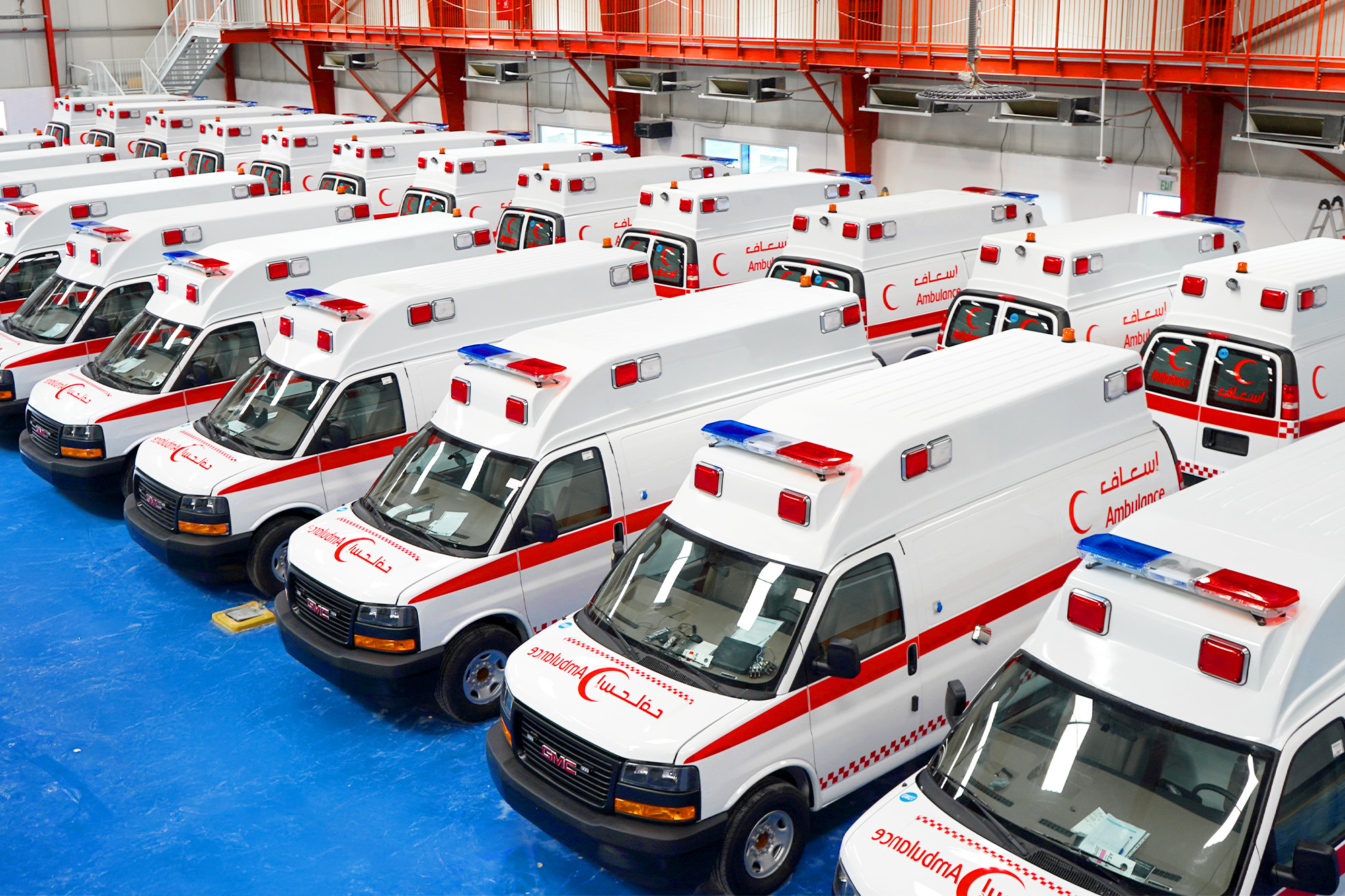
When emergencies happen, medical crews need equipment they can trust. From patient monitoring devices to secure stretchers, well-equipped ambulances support timely care while reducing risks for patients and responders.
Whether you’re an EMS director, fleet manager, or procurement officer, choosing the right equipment starts with understanding your team’s operational needs. This guide outlines essential equipment, practical benefits, and upgrade considerations.
Why Does Ambulance Equipment Matter?
Emergency medical teams respond to varied situations, including injuries, cardiac emergencies, and breathing difficulties. Suitable medical equipment supports patient assessment, treatment, and safe transport within the crew’s training and clinical protocols.
1. Faster Equipment Access
Clearly labeled storage and organized medical bags help crews locate supplies quickly. Secure mounting limits equipment movement during transport.
2. Better Patient Monitoring
Vital signs monitors and defibrillators support assessment and appropriate intervention. Device capabilities should match your service’s clinical scope.
3. Safer Patient Handling
Compatible stretchers, restraint systems, and loading aids support safe transfers. Proper training and maintenance remain essential.
Equipment That Makes a Difference
- Patient Monitoring and Defibrillation
Select monitoring equipment suited to your service level. Consider battery life, consumable availability, data integration, and ease of use.
- Airway and Oxygen Equipment
Oxygen delivery systems, suction devices, and appropriate airway supplies support respiratory care. Secure cylinders and inspect equipment according to applicable requirements.
- Stretchers and Loading Systems
Powered stretchers and compatible loading systems can reduce manual handling demands. Check patient weight limits, vehicle compatibility, and restraint performance.
- Communication and Navigation Systems
Reliable radios and navigation tools help crews coordinate with dispatch and receiving facilities. Compatibility with local systems is essential.
- Infection Prevention Supplies
Gloves, protective equipment, cleaning supplies, and sharps containers support infection prevention. Interior surfaces should allow effective cleaning.
How Does This Equipment Benefit Your Team?
- For Medical Crews
Accessible supplies and dependable devices reduce unnecessary setup work, helping responders focus on patient care.
- For Fleet Managers
Standardized equipment simplifies training, inventory control, and maintenance planning. Consider lifecycle costs alongside purchase price.
Ready to Upgrade Your Fleet?
Assess call types, staffing, clinical scope, storage space, payload, and electrical capacity. Work with qualified suppliers, provide practical training, and establish inspection schedules.
Conclusion
Well-selected ambulance equipment supports safer, more efficient emergency response. Prioritize solutions that fit your operational needs and applicable standards.
Frequently Asked Questions:
1. What equipment should we prioritize?
Start with mandatory equipment, frequent call needs, and identified capability gaps.
2. Can existing ambulances be upgraded?
Often, yes, subject to vehicle capacity, compatibility, and manufacturer guidance.
3. Are powered stretchers worthwhile?
They can reduce lifting demands but require compatible loading systems and training.
4. How often should equipment be inspected?
Follow manufacturer instructions, service policies, and applicable requirements.
5. Is training necessary?
Yes. New equipment requires practical training and competency checks.
6. How should we compare costs?
Include purchase, servicing, consumables, training, and replacement costs.
Want to learn more or get started? Contact us today for more information, request a quote, or discover advanced ambulance conversion solutions for safer, faster emergency response.