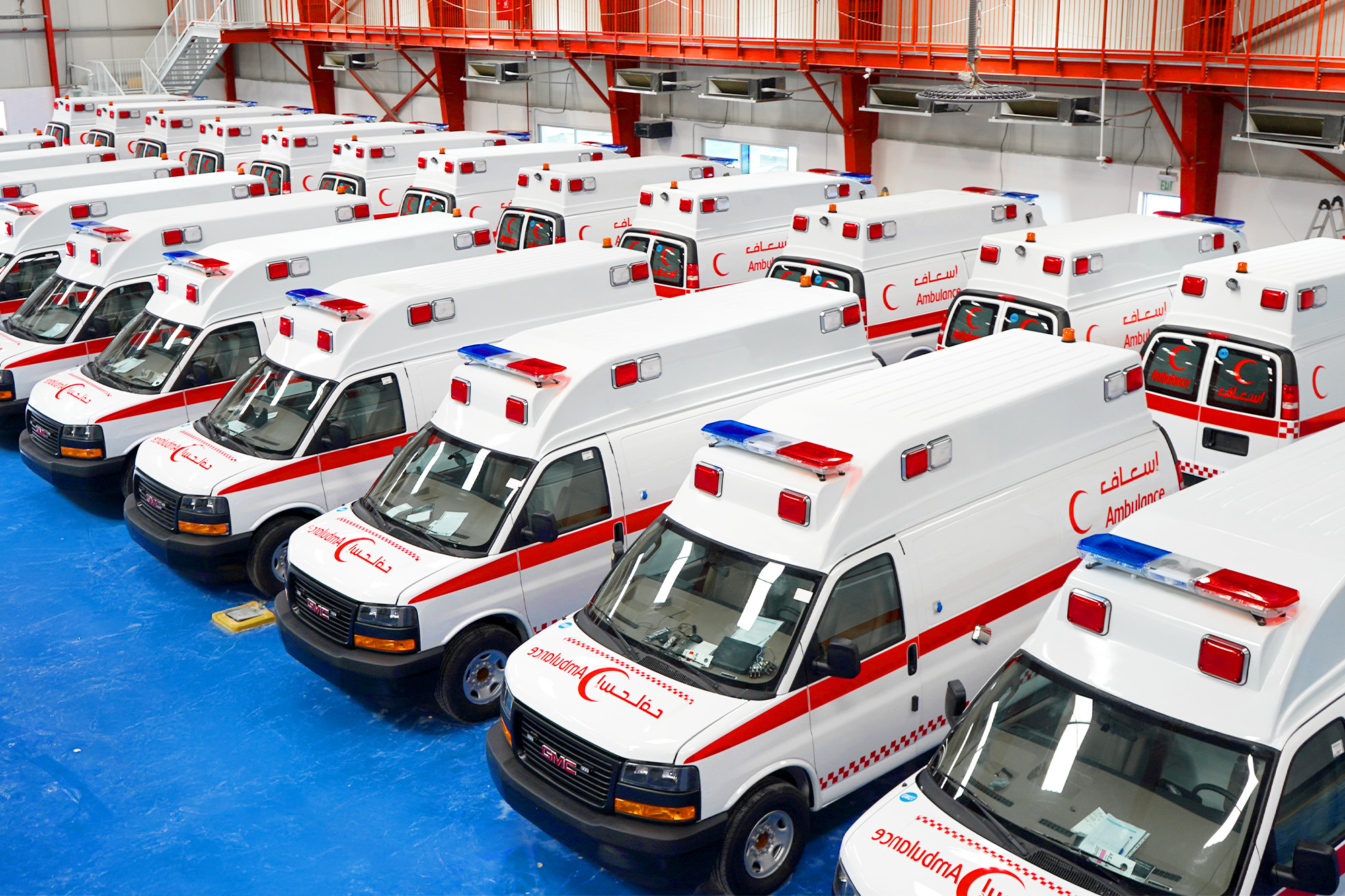
When emergencies happen, firefighters need equipment they can trust. From powerful pumping systems to thermal imaging cameras, advanced fire truck equipment helps crews work efficiently while reducing risks.
Whether you’re a fire chief, fleet manager, or procurement officer, choosing the right equipment starts with understanding your team’s operational needs. This guide explores essential features, practical benefits, and considerations for upgrading your fleet.
Why Does Advanced Fire Truck Equipment Matter?
Modern firefighting involves more than extinguishing flames. Crews respond to road accidents, hazardous conditions, and complex rescues. Well-selected equipment supports faster deployment, better coordination, and safer operations.
1. Faster Equipment Access
Organized compartments, slide-out trays, and clearly labeled storage help firefighters locate tools quickly. Secure mounting also reduces equipment movement during travel.
2. Improved Situational Awareness
Thermal imaging cameras help crews identify heat patterns and locate people in low-visibility environments. They support decision-making but do not replace established search procedures.
3. Better Crew Protection
Self-contained breathing apparatus, accountability systems, and reliable scene lighting help teams operate more safely when properly maintained and used.
Equipment That Makes a Difference
- Advanced Pumping Systems
Electronic pump controls and monitoring systems help operators manage water delivery. Some configurations include foam proportioning equipment for suitable applications.
- Battery-Powered Rescue Tools
Cordless cutters, spreaders, and rams can simplify deployment by reducing reliance on external hydraulic hoses. Tool selection should match expected rescue tasks and training requirements.
- Integrated Communication Systems
Vehicle-mounted radios, navigation tools, and incident information displays support coordination. Compatibility with local dispatch and mutual-aid partners is essential.
- Scene Lighting and Power
LED floodlights improve visibility around incidents. Onboard generators or battery systems can power selected tools and equipment, depending on vehicle specifications.
How Does This Equipment Benefit Your Team?
- For Firefighters
Accessible tools and dependable systems reduce unnecessary setup work, allowing crews to focus on incident priorities.
- For Fleet Managers
Standardized equipment can simplify training, inventory management, and maintenance planning. Lifecycle costs matter as much as purchase price.
Ready to Upgrade Your Fleet?
Assess your response area, incident types, staffing, and vehicle payload capacity. Choose compatible equipment, provide hands-on training, and establish inspection schedules.
Conclusion
Advanced fire truck equipment supports safer, more efficient emergency response when matched to operational needs. Speak with qualified suppliers to explore configurations and request a tailored quote.
Frequently Asked Questions:
1. What equipment should we prioritize?
Start with equipment suited to your most frequent incidents and identified capability gaps.
2. Can existing trucks be upgraded?
Often, yes, subject to space, payload, electrical capacity, and manufacturer guidance.
3. Are thermal cameras effective in smoke?
They can help reveal heat patterns, but have limitations.
4. Do battery-powered tools need maintenance?
Yes. Inspect tools, batteries, and chargers regularly.
5. Is training necessary?
Yes. New equipment requires practical training and competency checks.
6. How should we compare costs?
Consider purchase price, servicing, consumables, training, and expected lifespan.
Want to learn more or get started? Contact us today for more information, request a quote, or discover advanced fire truck conversion solutions for safer, faster emergency response.