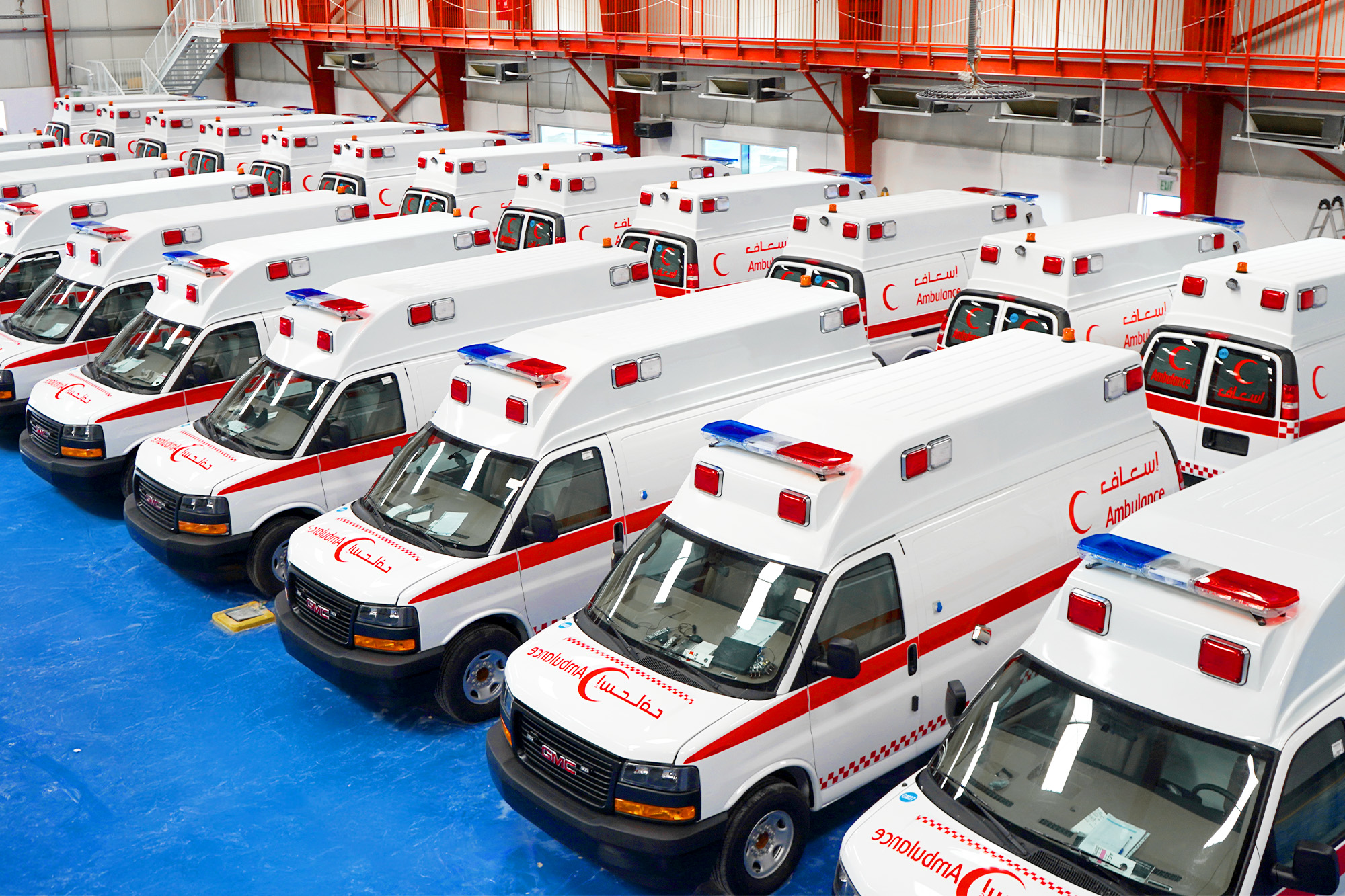
How do you fit an operating room, a pharmacy, and a waiting area inside a vehicle that still has to pass through city traffic? Every inch inside a mobile hospital must earn its place. A skilled mobile hospital manufacturer works through hundreds of small decisions about layout, materials, and systems before a single panel is welded. Understanding those choices helps buyers ask sharper questions and spot quality early. Read to the end, because the final sections show how to judge a build before you commit.
Space Planning Inside a Mobile Hospital Manufacturer’s Design
Mobile Hospital Defined: A Clinic That Travels
A mobile hospital is a self-contained medical facility built into a truck, trailer, or modular shelter. It can treat patients in disaster zones, remote towns or event sites. Because it moves, every cabinet, bed, and cable run has to be planned around weight and travel.
Zoning: Giving Every Task Its Own Corner
Designers divide the interior into reception, examination, treatment and storage zones. Each zone gets a clear purpose so staff never cross paths needlessly. Think of it like a small village, where every building sits close to its neighbour but keeps its own role.
Expandable Sides and Pop-Out Sections
Slide-out walls and expandable modules grow the floor area once the unit parks. During transport, they fold in to keep the vehicle within road width limits. This lets teams offer a roomy treatment area without building something too wide to drive.
Vertical Storage: Using the Walls and Ceiling
Floor space is limited, so manufacturers move supplies upward. Wall-mounted racks, ceiling rails for equipment, and fold-down tables free the floor for patients and staff. Each item gets a fixed spot with straps or latches, so nothing shifts when the vehicle rolls.
Safety Choices From a Mobile Hospital Manufacturer
Infection Control Defined: Keeping Germs Where They Belong
Infection control means stopping the spread of disease between patients, staff, and equipment. Builders use smooth, seamless surfaces, antimicrobial coatings, and sealed joints that wipe clean fast. Separate entry and exit routes for clean and used supplies add another layer of protection.
Air Quality and Pressure Control
Good ventilation protects everyone inside a tight space. Filtered air systems, and in some units, negative pressure isolation rooms, stop contaminated air from drifting into clean zones. Manufacturers also fit air quality monitors so staff can confirm conditions without guessing.
Fire, Electrical and Gas Safety
Medical oxygen, battery banks and generators all sit inside a compact shell. Builders add fire-resistant wall materials, smoke detectors, grounded wiring, and secured gas cylinders with clear shut-off points. Emergency exits are placed so staff can leave quickly from any zone.
Road Safety and Structural Strength
Safety also applies to the journey. The frame must carry equipment weight evenly, with suspension and brakes suited to the load. Engineers test how the unit handles bumps and turns, because a loose monitor or tilted bed can cause harm before treatment even begins.
Function First: What a Mobile Clinic Manufacturer Considers
Power and Water Independence
A unit that serves remote areas cannot depend on local supply. A mobile clinic manufacturer typically includes onboard generators, battery backup, clean water tanks, and waste storage. Check capacity against your expected daily patient load, so the unit keeps running through a full shift.
Equipment Fit and Workflow
Function means staff can work without squeezing past each other. Designers measure each device, from ultrasound machines to sterilisers, and plan clear paths around them. A good layout follows the patient journey, from check-in to treatment to discharge, without any backtracking.
Climate Comfort for Patients and Staff
Heat and cold affect both comfort and medicine storage. Insulated walls, strong air conditioning and heating keep the interior steady, while a medicine fridge with backup power protects vaccines and drugs. Comfortable staff also make fewer errors during long shifts.
Communication and Digital Links
Mobile units often work far from hospitals. Satellite or mobile network connections allow telemedicine consults, digital records, and remote reporting. Planning cable routes and antenna points early prevents messy additions later and keeps the finished interior tidy and safe.
Judging a Build Before You Buy
Standards and Testing Records
Ask for proof of compliance with relevant medical, electrical, and vehicle regulations, plus records of pressure, leak, and road tests. Documentation shows whether the builder tests its work or only claims quality. Visit a finished unit if possible, and inspect it yourself.
Customisation and After-Sales Support
Every healthcare programme has different needs, so a good builder adjusts layouts for dental, maternal, surgical or screening work. Ask about spare parts, staff training and service visits. A unit is only useful while it stays in working order.
Closing Notes: Choosing With Confidence
Balancing space, safety and function takes patient engineering and honest testing. When you compare each mobile hospital manufacturer, look at the layout logic, the safety systems and the support after delivery. Ask for records, walk through a finished unit, and match the design to your patients’ real needs. A well-built mobile hospital should feel calm and organised, whether it sits in a city lot or a distant village.
FAQs
How big can a mobile hospital get?
Size depends on the vehicle or module. Expandable sections can double usable floor space once parked, though transport limits still apply.
What is the most overlooked safety feature?
Secure fixing of equipment. Straps, latches, and locked cabinets stop heavy items from shifting during travel and causing injury.
Can one unit serve more than one purpose?
Yes, with careful planning. Modular interiors let providers switch between screening, vaccination and minor treatment depending on community needs.
How long does a build take?
Timelines vary with size and customisation. Request a written schedule that lists design, fabrication, testing and handover stages.
Does it need special staff training?
Yes. Teams should learn power systems, waste handling, and layout routines so they can use the limited space safely and confidently.