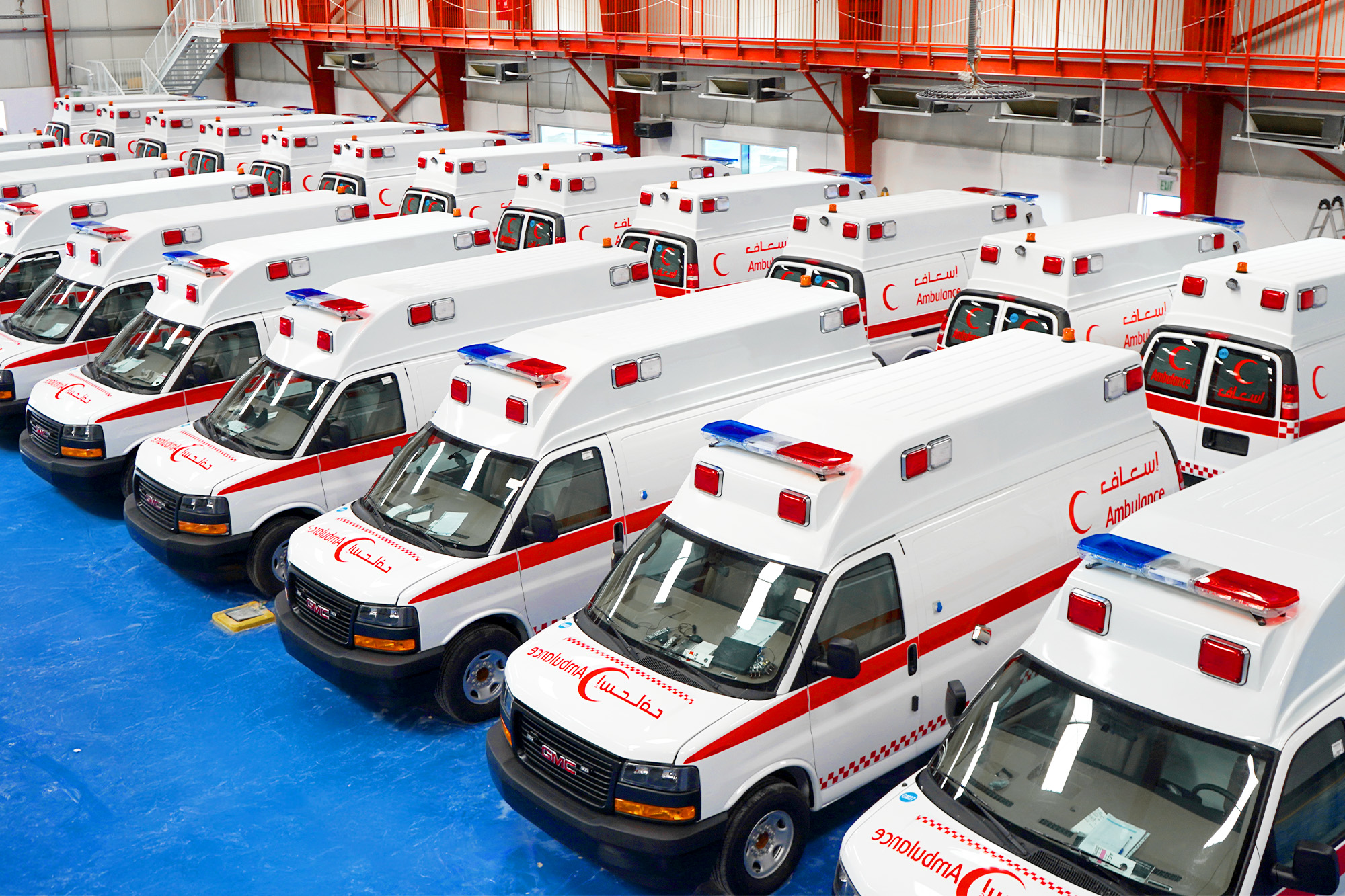
When a crisis hits, the first question is rarely about vehicles, yet the right one can decide everything. People often use mobile ICU and mobile hospital as if they mean the same thing, but they solve very different problems. Getting the choice wrong means paying for capacity you never use or lacking care when it counts. If you plan to approach a mobile hospital manufacturer, this guide gives you the vocabulary and the questions to ask. Stay with it until the end, where a quick decision test brings it all together.
Two Names, Two Jobs
What Is a Mobile ICU?
A mobile ICU is a vehicle fitted to deliver intensive care on the move. It carries ventilators, patient monitors, infusion pumps, and a defibrillator, along with trained critical care staff. Its job is to keep one or two critically ill patients stable between locations.
What Is a Mobile Hospital?
A mobile hospital is a deployable medical facility, often built from trucks, trailers, or expandable modules. It brings an emergency room, treatment areas, a theatre, and support spaces to wherever people need care. Its job is to treat many patients on site, not just move them.
The Head-to-Head: Mobile ICU vs Mobile Hospital
Scale and Capacity
A mobile ICU serves one or two patients at a time, so every square meter focuses on critical monitoring. A mobile hospital serves dozens, with triage, wards, and treatment zones working together. Picture a single powerful spotlight versus a fully lit stage.
Speed and Setup
A mobile ICU arrives ready, since equipment stays installed and crews can start care at once. A mobile hospital needs space, power, and time to deploy. The trade-off is simple: faster response with the ICU, wider treatment with the hospital.
Staff and Services
Here is what each unit usually offers:
- Mobile ICU: critical care doctors and nurses focused on stabilizing and transferring patients.
- Mobile hospital: broader teams covering emergency care, surgery, lab work, pharmacy, and sterilization.
Where Each One Earns Its Keep
The Mobile ICU in Action
Think hospital-to-hospital transfers, highway accidents, and remote pickups where a patient cannot wait. The unit brings hospital-grade monitoring to the roadside and protects patients on long journeys. It also works as a standby critical care option at large public events.
The Mobile Hospital in Action
Think floods, earthquakes, field operations, remote worksites and public health drives. When existing hospitals are damaged, full, or too far away, a mobile hospital adds treatment capacity where it is needed most. Governments, defense bodies and large projects commonly rely on them.
Making the Call
Questions to Ask Yourself
Before you shortlist anything, answer these:
- How many patients will you treat at once?
- Is your goal transport, on-site treatment, or both?
- Do you have the space and power for a deployed unit?
- What budget can you set aside for equipment and upkeep?
What a Good Builder Brings
Choose a builder who customizes layouts to your needs and explains how the unit meets medical standards. Wide emergency fleet experience helps too, since a builder that also works as a police vehicle manufacturer understands rugged, regulated builds. Ask for references, service plans, and spare part availability.
The Final Checkup
A mobile ICU keeps a critical patient alive in transit, while a mobile hospital builds care where none exists. Neither is better; each fits a different mission. Define your patient numbers, location, and budget first, then speak with an experienced mobile hospital manufacturer who listens before quoting. The right partner will challenge your assumptions, tailor the design, and support the unit long after delivery. Make the choice with clear eyes, and your vehicle will earn its place when the next emergency arrives.
FAQs
Can a mobile ICU perform surgery?
Generally no. It is built for stabilizing and monitoring critical patients in transit. Surgery needs a sterile theatre, which mobile hospitals are designed to provide.
How long does a mobile hospital take to set up?
It depends on size and site. Smaller layouts deploy faster, while larger ones need level ground, power, utilities, and trained crews before opening to patients.
Can the two work together?
Yes. A mobile ICU often moves critical patients from a disaster site to a mobile hospital, then onward to a permanent hospital for long-term care.
Can layouts be customized?
Yes. Reputable builders adjust bed count, equipment, power systems, and interior zones to your needs, so share your use case before the design begins.
What upkeep should a buyer plan for?
Plan for regular equipment calibration, vehicle servicing, power system checks, and supply restocking. A written schedule keeps the unit ready when you need it.