When every minute counts, the road is not always the fastest route. Some patients need a specialist hospital that sits far from where they are, and that is where flight enters the picture. A call for an air ambulance in Dubai sets off a chain of decisions between doctors, dispatchers, crews, and receiving hospitals. This guide explains how that chain works, where air transport fits beside road ambulances, and what families should know before they need it. Read to the end to learn how to prepare calmly before an emergency.
The Air Ambulance Defined: A Flying Medical Unit
An air ambulance is a helicopter or fixed-wing aircraft fitted as a flying medical unit, with stretcher space, monitoring equipment, and a trained medical crew. It carries patients between hospitals, or from an incident site to a hospital, when distance, terrain, or condition makes road travel slower or riskier.
Air Ambulance Basics: The Role Inside the Hospital Network
The Hospital-to-Hospital Link
Many air missions are transfers, not scene rescues. A smaller hospital stabilises a patient, then calls a larger centre with the right specialists, such as cardiac or trauma teams. The aircraft acts as a fast bridge between two buildings that cannot offer the same care.
The Dispatch Desk
Every mission starts at a control room. Dispatchers collect the patient’s condition, location, and destination, then work with doctors to choose the aircraft and crew. Clear information at this stage saves minutes later, so callers should share facts calmly and in order.
The Flying Care Team
A typical crew may include a flight doctor, a paramedic or nurse, and a pilot. They bring ventilators, monitors, and infusion pumps, so treatment continues without a pause. Think of the cabin as a compact intensive care room that happens to be airborne.
Air Ambulance Meets Asphalt: Where Sky and Road Connect
The Last-Mile Handoff
Aircraft rarely land at a patient’s door. A road ambulance carries the patient from the hospital to the helipad or airport, and another waits at the destination. Smooth timing at both ends matters as much as flight speed. Joint drills help crews swap patients safely.
The Ground Fleet Behind the Scenes
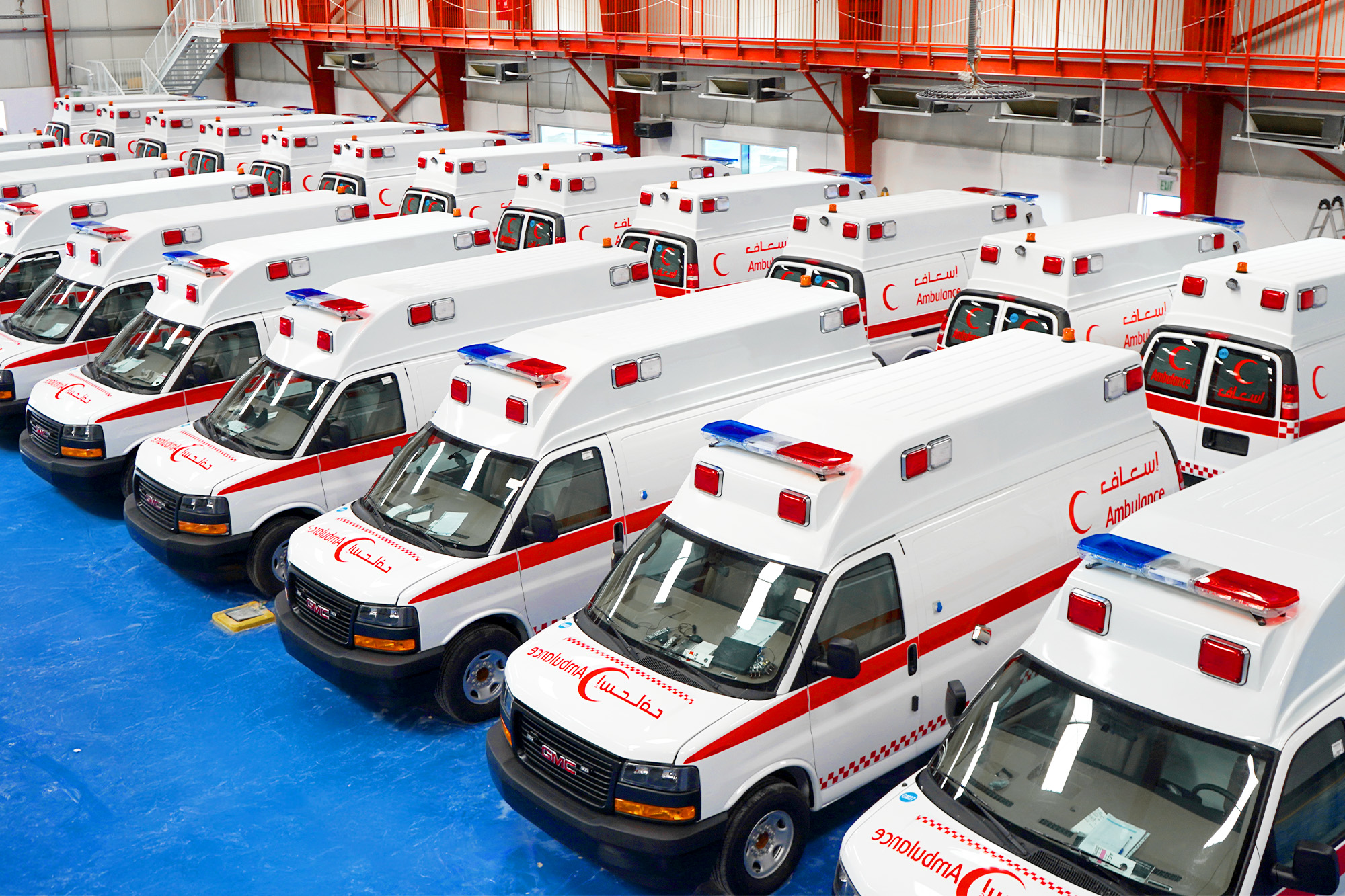
Air crews depend on road vehicles built for the same standard of care. A trusted ambulance manufacturer in the UAE builds vehicles with stretcher systems, oxygen supply, and power outlets, so equipment moves from aircraft to ground unit without delay. Compatible fittings keep the patient connected during the move.
Sky or Road? The Decision Test
Air transport helps most over long distances, in heavy traffic, or when a patient needs a specialist centre quickly. It is not always faster, though. Weather, landing access, and loading time all count, so doctors weigh each case before choosing the sky over the road.
Air Ambulance Preparation: What Families Can Do Before Takeoff
Paperwork That Travels
Medical records, imaging, medication lists, and consent forms should travel with the patient. Cross-border flights add passport details and clearance from both countries. Keep copies in one folder, because crews and receiving hospitals can act faster when information is complete and easy to read.
Questions Worth Asking a Provider
Ask providers about crew qualifications, aircraft options, response times, and hospital partnerships in writing. Check that they hold the right aviation and medical approvals. A provider with clear answers and a calm manner is usually one that communicates well under pressure.
Final Takeaways
An air ambulance in Dubai works best as one link in a larger chain that includes dispatchers, doctors, road ambulances, and receiving hospitals. Each link needs clear information, matching equipment, and good timing. Gather your documents, check your insurance, and learn what questions to ask a provider before you need one. Preparation turns a frightening moment into a manageable one, and it lets medical teams do what they do best. Share this guide with your family and close friends, so everyone knows the plan if a transfer ever becomes necessary.
FAQs
Is an air ambulance only for accidents?
No. Many flights move patients between hospitals for specialist care, or home after treatment abroad. Emergencies are only one part of the work.
Can a family member fly with the patient?
Often yes, if space and weight allow. The medical crew decides, because patient care and equipment come first. Ask the provider before booking.
Does weather ever stop an air ambulance?
Yes. Low visibility, strong winds, or dust can delay a flight. Teams may switch to a road ambulance or wait for safer conditions.
What information should I have ready when calling?
Share the patient’s name, age, diagnosis, hospital, destination, and any allergies or medications. Clear details help dispatchers match the right aircraft and crew.
How is an air ambulance different from a regular ambulance?
An air ambulance covers long distances quickly with a medical team onboard, while road ambulances handle short trips and hospital handoffs.